The Future of Commercial Plant Production: Why Data Management Will Become a Competitive Advantage
 220
220For generations, horticulture has been built on practical experience.
Experienced growers can often recognize plant conditions by observing leaf color, growth speed, root development, and environmental response. This knowledge remains extremely valuable. However, modern commercial plant production is becoming too large and complex to rely only on individual experience.
A greenhouse producing a few hundred plants can be managed through personal observation. A commercial operation supplying thousands or millions of plants requires something more systematic.
This is where data management becomes increasingly important.
The purpose of data in horticulture is not to replace growers. It is to transform experience into a repeatable system.
A skilled grower may know that a plant “does not look right,” but commercial production requires deeper questions:
Why did this batch perform differently?
When did the problem begin?
Was it related to temperature, humidity, nutrition, propagation stage, or plant source?
Will the same problem appear again in future production?
Without records, these questions are difficult to answer.
Commercial plant production is a continuous chain. A problem discovered in the greenhouse may have started weeks or months earlier in the laboratory, mother plant area, substrate preparation, or environmental management.
Without historical information, production teams often solve symptoms instead of causes.
For example, if one batch of plants grows slower than expected, the reason could involve many factors:
- different mother plant conditions;
- changes in culture conditions;
- rooting performance;
- acclimatization environment;
- seasonal temperature changes;
- irrigation differences;
- nutrient management;
- plant density.
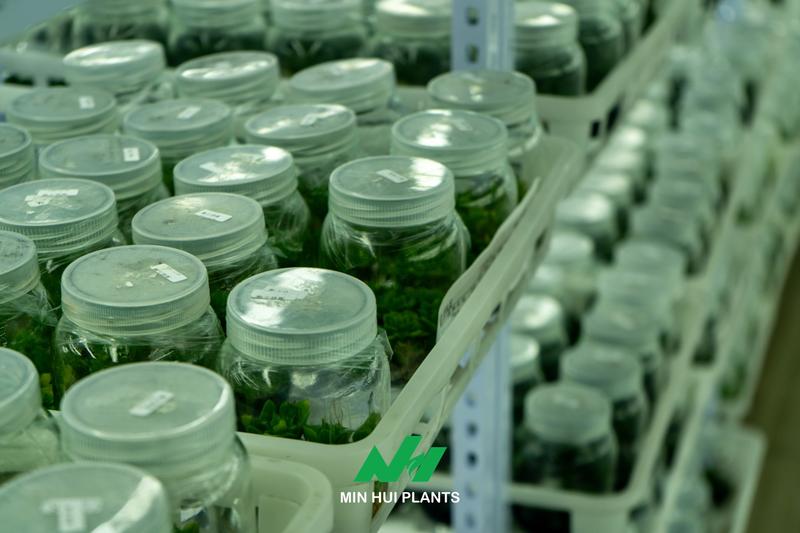
Experience can identify the problem, but data helps identify the reason.
This creates a major difference between traditional production and modern commercial production.
Traditional production often asks:
“How do we fix this problem?”
Data-driven production asks:
“Why did this problem happen, and how can we prevent it from happening again?”
This change is especially important for companies supplying international buyers.
Global customers are not only purchasing plants. They are purchasing reliability.
A buyer planning a retail program, nursery schedule, or landscape project needs confidence that future shipments will maintain similar quality.
A supplier with strong production records can better understand:
- which varieties perform consistently;
- which varieties require longer production periods;
- which stages create higher loss rates;
- which seasons require additional management;
- which specifications are realistic.
This information improves communication between suppliers and buyers.
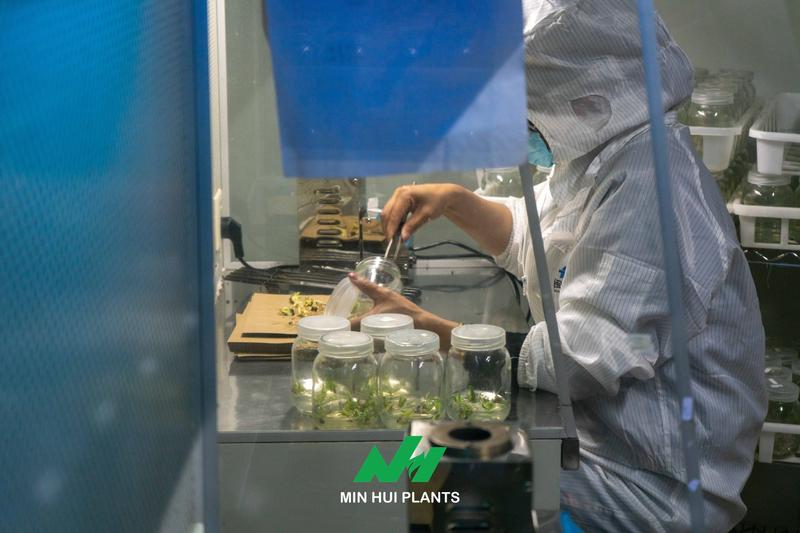
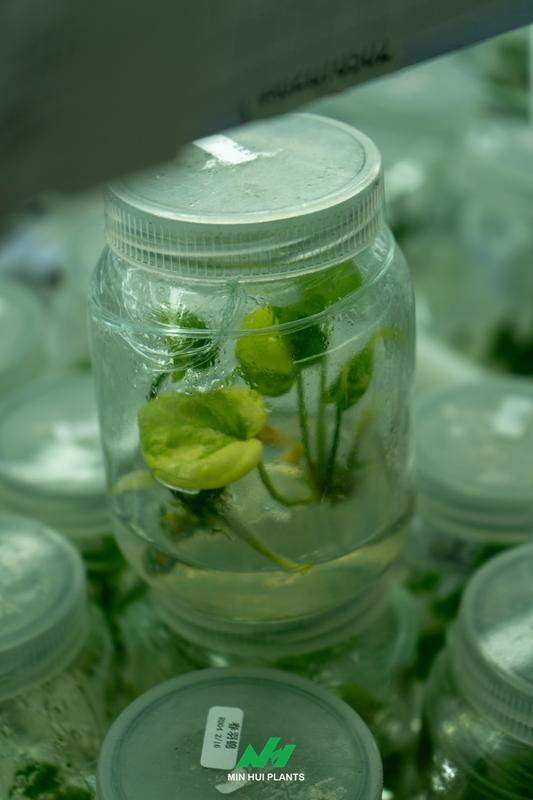
At MINHui, production involves multiple connected stages, including tissue culture, greenhouse cultivation, acclimatization, grading, and export preparation. Each stage influences the final quality of the plant.
Managing these stages requires more than producing numbers.
It requires understanding the relationship between each stage.
For example, increasing tissue culture output does not automatically increase finished plant supply. If acclimatization capacity, greenhouse space, or grading efficiency cannot support the additional volume, production pressure simply moves to another stage.
Data helps identify these bottlenecks.
Instead of expanding every department equally, companies can improve the specific stage limiting overall efficiency.
This approach creates a more balanced production system.
Data also plays an important role in new variety development.
When introducing a new plant variety, growers need to understand its behavior:
- How fast does it multiply?
- How stable are its characteristics?
- How long does acclimatization require?
- What percentage reaches commercial standards?
- What environmental conditions produce the best performance?
Without accumulated records, each new project becomes a repeated experiment.
With data, previous experience becomes a valuable production resource.
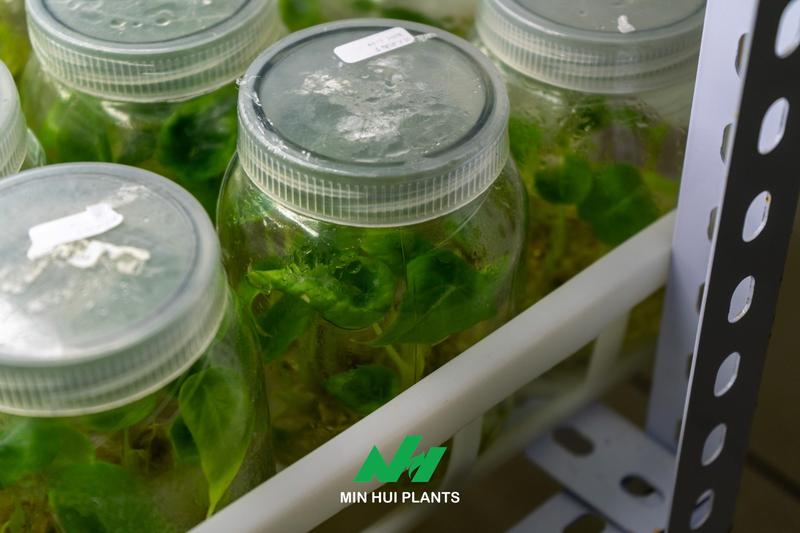
This is particularly important for rare plants and specialty varieties. Their market value may be high, but their production behavior is often less predictable than common plants.
A supplier who understands these differences can provide more realistic delivery schedules and better recommendations.
Another advantage of data management is quality consistency.
In commercial plant trade, a single perfect plant has limited value compared with a reliable batch.
Retailers, wholesalers, and distributors need products they can plan around. They need to know that the next shipment will not be completely different from the previous one.
Consistency creates trust.
And trust is one of the most valuable assets in international plant trade.
However, data itself does not create success. Poorly collected information has limited value. The important factor is whether data can support better decisions.
Useful production data should answer practical questions:
- Which process creates the highest efficiency?
- Where are the main losses occurring?
- Which varieties require special management?
- Which environmental conditions improve performance?
- Which production schedules provide the most stable results?
The goal is not to collect endless numbers.
The goal is to create better decisions.
For MINHui, the combination of biological knowledge and systematic management represents the future direction of commercial horticulture.
Plants will always remain living products with natural variation. Technology cannot remove every uncertainty. However, better information allows producers to understand variation, manage risk, and improve predictability.
The future competition in the plant industry will not only belong to companies that produce more plants.
It will belong to companies that understand their plants better.
Production scale creates opportunities.
Data-driven management creates reliability.