
Genetic Fidelity in Plant Tissue Culture: Why Rapid Multiplication Is Meaningless Without Stable Plant Characteristics
 192
192Genetic Fidelity in Plant Tissue Culture
Plant tissue culture is often evaluated by multiplication rate. A variety that can rapidly produce large numbers of plantlets may appear commercially attractive. However, multiplication speed alone does not determine production value.
If plant characteristics become unstable during repeated propagation, higher output only produces a larger quantity of uncertain material.
This leads to a fundamental principle in commercial micropropagation:
The objective is not to produce the largest number of plantlets. It is to reproduce the correct plant consistently.
What Is Genetic Fidelity in Tissue Culture?
Genetic fidelity refers to the degree to which propagated plants retain the essential characteristics of the original mother plant.
These characteristics may include:
- leaf shape and color;
- variegation pattern;
- growth habit;
- internode length;
- plant compactness;
- rooting behavior;
- flowering characteristics;
- overall vigor.
In commercial production, even small variations can affect grading, pricing, customer acceptance, and future cultivation.
A plant may remain healthy while still losing the characteristics that created its market value.
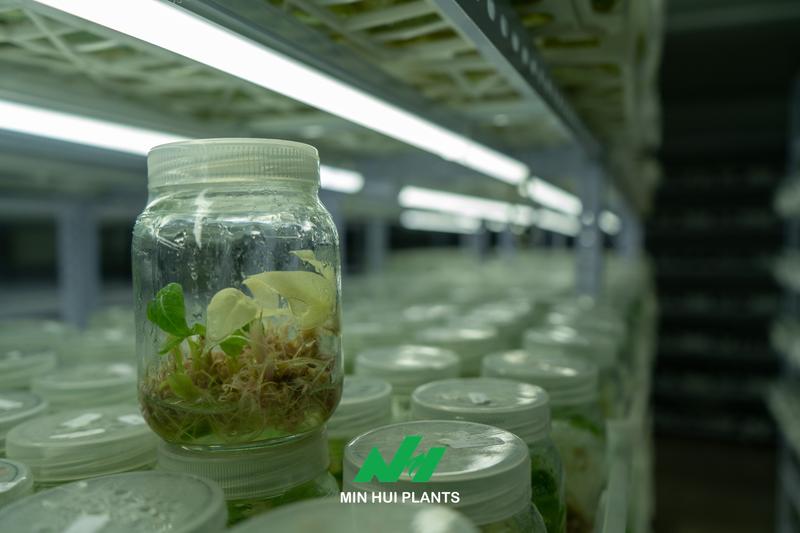
Why Can Variation Occur?
Tissue culture is not a completely mechanical copying process. Plant cells respond to culture media, plant growth regulators, subculture frequency, culture duration, and environmental conditions.
The risk of variation may increase when plant material remains in culture for too long or passes through excessive multiplication cycles. Some regeneration pathways also carry greater variation risk than others.
For example, regeneration through highly undifferentiated callus tissue may create more uncertainty than multiplication from stable shoot structures.
This does not mean variation will occur in every batch. It means production protocols should control risk rather than assume unlimited stability.
High Multiplication Rates Can Hide Quality Risk
A high multiplication rate may reduce the apparent production cost per plantlet. However, aggressive propagation can also produce weak shoots, uneven growth, abnormal morphology, or unstable characteristics.
These problems may not be obvious inside the culture vessel.
Some abnormalities only become visible during rooting, acclimatization, greenhouse cultivation, or later plant development. By that time, the affected material may already have been multiplied into a large batch.
The commercial cost of variation therefore increases with scale.
A single abnormal plant is a production loss. Thousands of inconsistent plants can become a customer complaint, inventory problem, or reputational risk.
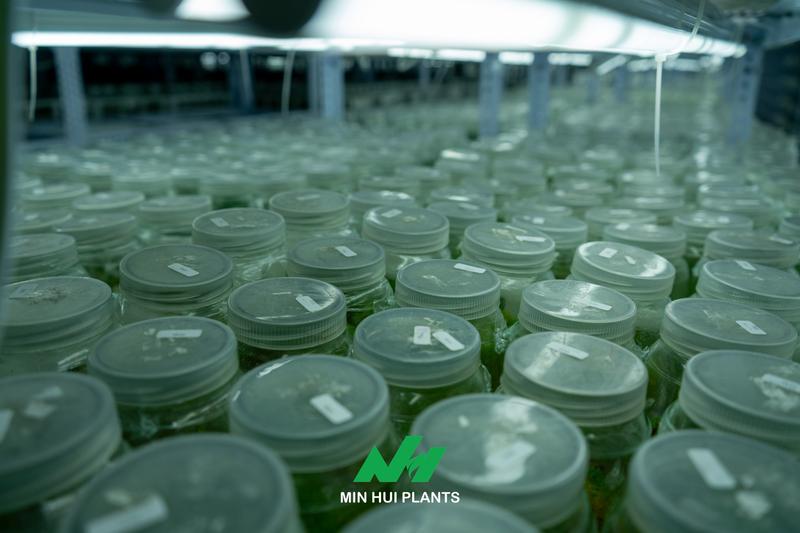
Stability Requires Controlled Production
Maintaining genetic fidelity depends on more than selecting a good mother plant. It also requires control throughout the propagation process.
Important measures may include:
- using clearly identified mother plant sources;
- maintaining accurate batch records;
- limiting unnecessary subculture cycles;
- monitoring abnormal shoot development;
- separating suspicious material early;
- comparing plant performance after acclimatization;
- periodically renewing cultures from verified source plants.
Visual inspection remains important, especially for obvious changes in leaf form, color, or growth habit. However, visual uniformity alone cannot detect every internal genetic or physiological difference.
For high-value varieties or sensitive commercial projects, more detailed verification may be necessary.

The Commercial Meaning of True-to-Type Plants
For plant importers, nurseries, wholesalers, and commercial growers, true-to-type plants reduce uncertainty.
Stable batches are easier to grade, price, cultivate, display, and resell. They also allow buyers to plan greenhouse space and future inventory with greater confidence.
This is particularly important for variegated plants, rare cultivars, and varieties purchased for highly specific visual characteristics.
The market does not pay for multiplication speed inside the laboratory.
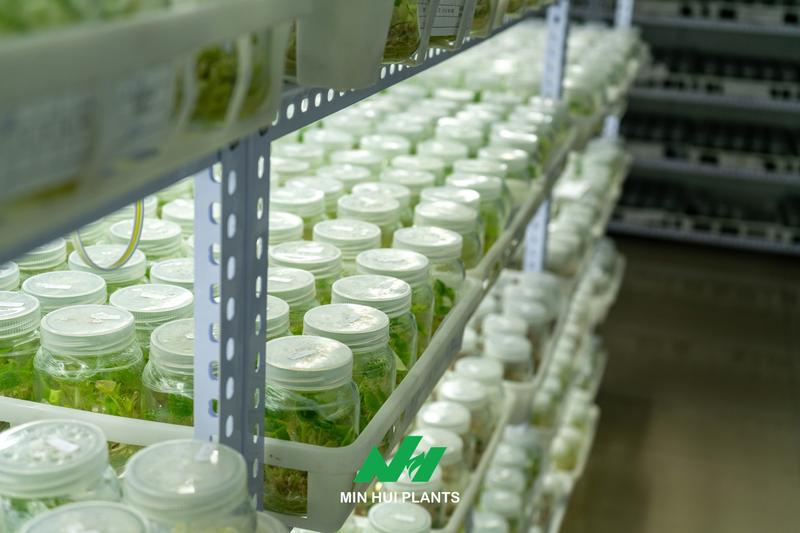
It pays for plants that retain the expected identity after leaving it.
For MINHui, the commercial value of tissue culture should therefore be measured not only by output, but also by the stability of the plants entering greenhouse production and customer supply.
Rapid multiplication creates quantity. Genetic fidelity protects value.