
Agave Plants in Global Trade: Why This Architectural Species Is a Long-Term Market Favorite
 2715
2715Main Article – English Version (Agave Plant Focus)
Among architectural plants, Agave stands out for its bold form, symmetrical rosette structure, and exceptional durability. These characteristics make it increasingly popular across global markets, especially in regions where low-maintenance and visually striking plants are preferred.
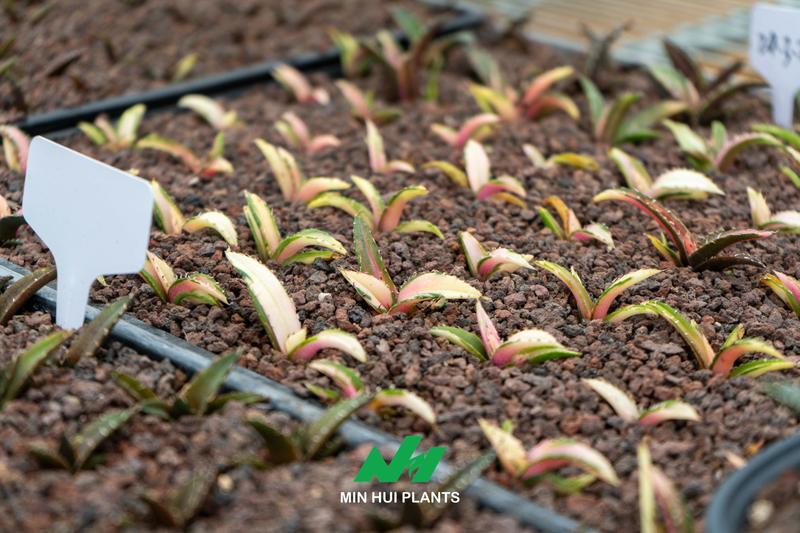
From a commercial perspective, Agave plants offer a rare balance between visual impact and logistical practicality. Their thick leaves and slow growth rate allow them to maintain shape and color over long periods, even under indoor conditions. This stability reduces after-sales risk for retailers and distributors.
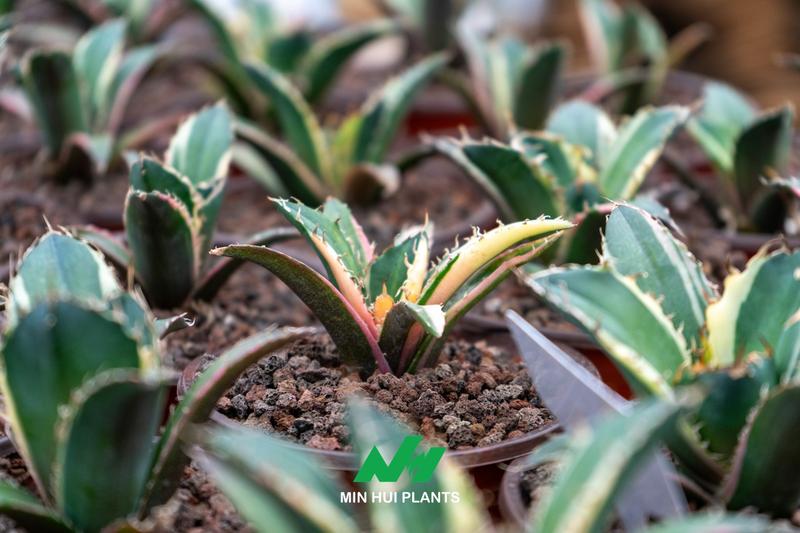
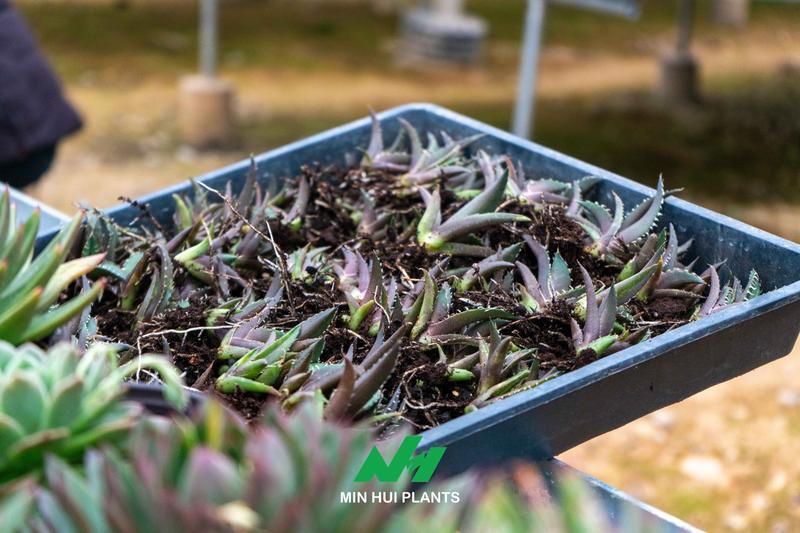
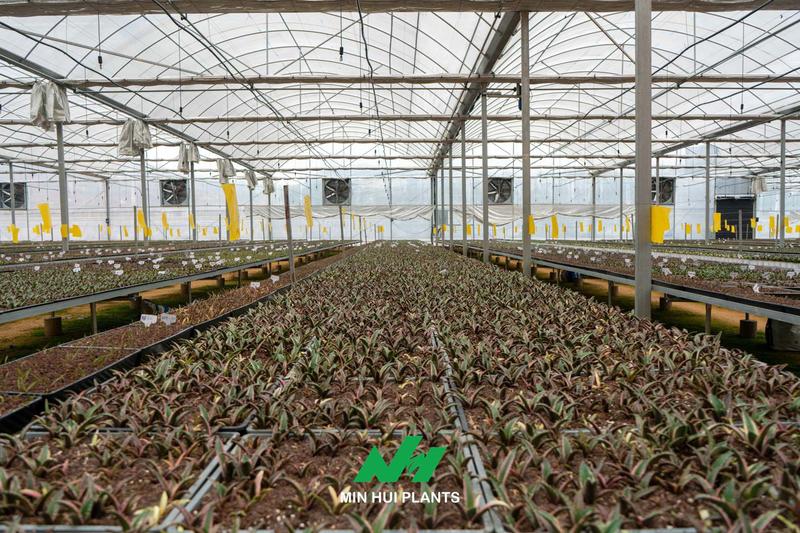
At MINHui Horticulture, Agave production is supported by tissue culture propagation and controlled greenhouse cultivation. Tissue culture allows for consistent leaf shape, predictable spacing, and uniform growth across batches—key requirements for wholesale and project-based buyers.
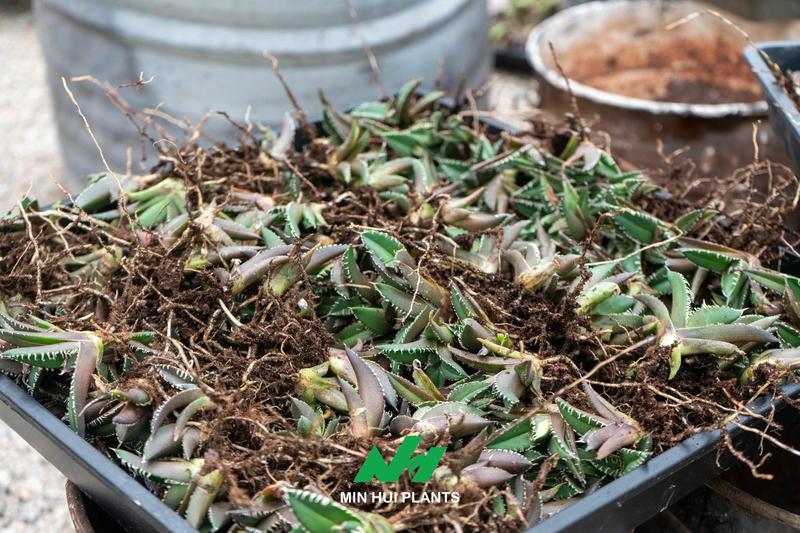
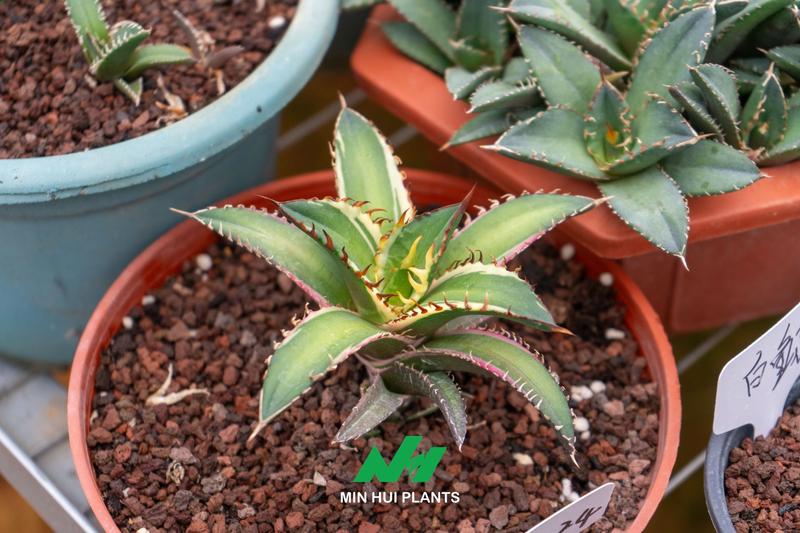
Different markets favor different Agave formats. Compact Agave varieties are widely used for desktop décor, e-commerce sales, and gift arrangements, while medium to large specimens are preferred for hotels, offices, shopping malls, and landscape installations. MINHui adjusts production stages to meet these varied applications.
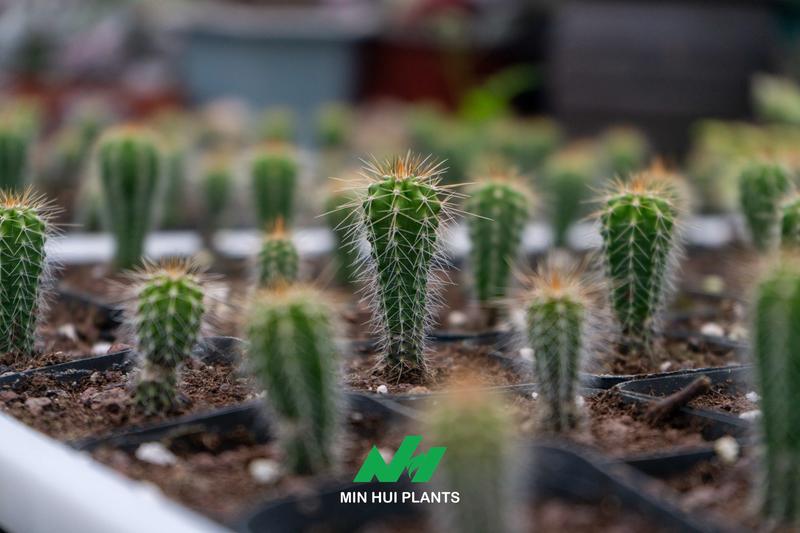
Another important advantage of Agave is its transport tolerance. Compared to soft-leaf foliage plants, Agave is more resistant to dehydration and mechanical stress. After proper acclimation, plants perform well during air shipment, making them suitable for international trade.
In recent years, Agave has also gained popularity among lifestyle brands and minimalist interior designers. Its sculptural appearance aligns well with modern, industrial, and desert-inspired aesthetics. This crossover appeal expands Agave’s market beyond traditional plant buyers into design-oriented retail segments.
For wholesalers and distributors, Agave represents a low-return-rate, high-repeat-purchase category. Once introduced into a product lineup, it often becomes a stable offering rather than a seasonal item. This long product life cycle makes Agave a strategic choice for long-term sourcing.
As global demand for architectural and low-maintenance plants continues to grow, Agave is expected to remain a core category. Through standardized propagation and export-ready handling, MINHui supports international buyers seeking reliable Agave supply for diverse commercial markets.