
How New Plant Varieties Are Developed: From Selection to Commercial Production
 637
637In the global horticulture industry, innovation is not limited to production technology. New plant varieties play a critical role in attracting consumers and creating new market opportunities.
The development process often begins with identifying desirable traits. These may include unique leaf shapes, unusual coloration, compact growth habits, stronger environmental tolerance, or improved commercial performance. Researchers and growers evaluate thousands of plants to identify candidates with promising characteristics.
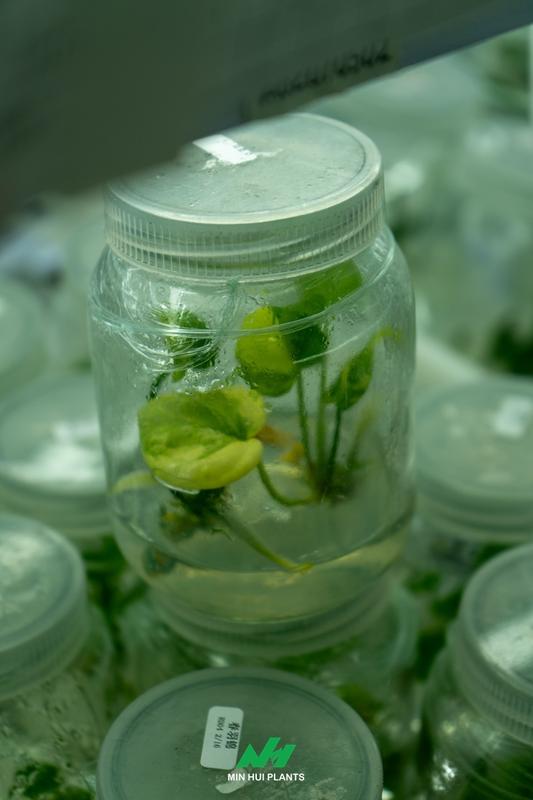
Once a potential variety is identified, extensive observation follows. Growth speed, leaf stability, resistance to stress, and overall appearance are monitored over multiple growth cycles. Only plants demonstrating consistent performance move to the next stage.
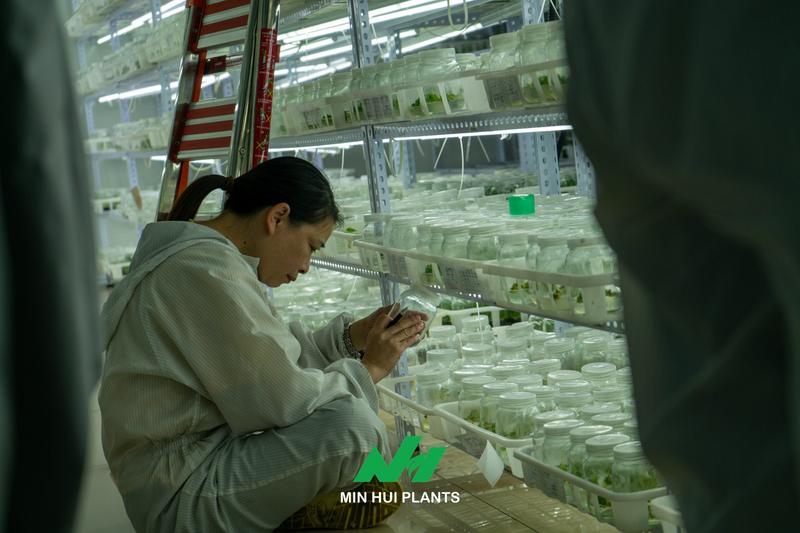
Propagation becomes the next challenge. A promising plant has little commercial value if it cannot be reproduced reliably. Techniques such as tissue culture help scale production while maintaining genetic consistency. This stage transforms a unique specimen into a commercially viable product.
Before large-scale release, many new varieties undergo market testing. Selected buyers, nurseries, or distributors evaluate consumer response. Feedback helps determine whether a plant should enter full commercial production.
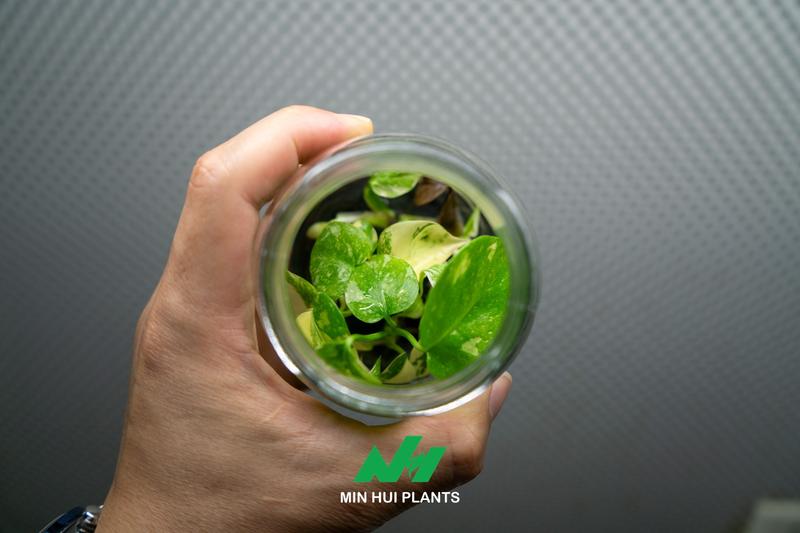
At MINHui, research teams continuously monitor market demand and emerging plant trends. By combining propagation expertise with production experience, the company supports the introduction of new varieties suited to international markets.
The development of a new plant variety can take years, but successful introductions often create long-term commercial opportunities for growers, wholesalers, and retailers alike.