
The Importance of Plant Uniformity in Wholesale and Retail Markets
 520
520For individual consumers, slight differences between plants may seem insignificant. However, for wholesalers, retailers, and landscape contractors, plant uniformity is a major operational requirement.
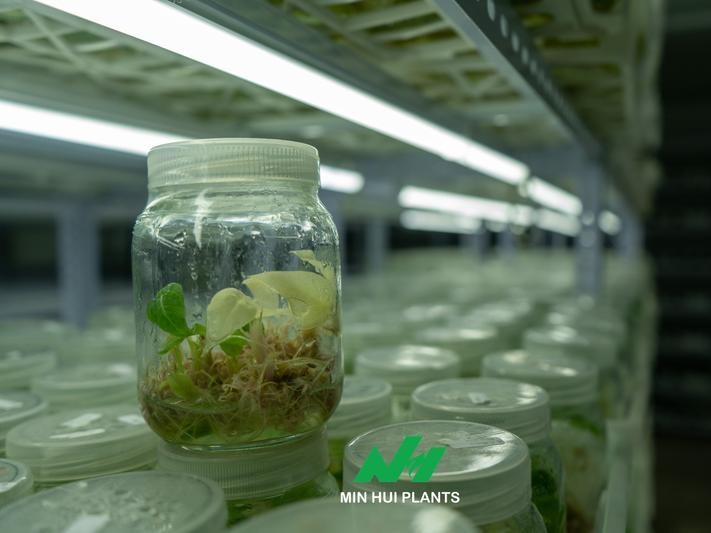
Uniform plants simplify inventory planning. When products share similar size and growth characteristics, packaging, transportation, and display become easier to standardize. This reduces labor costs and improves operational efficiency.
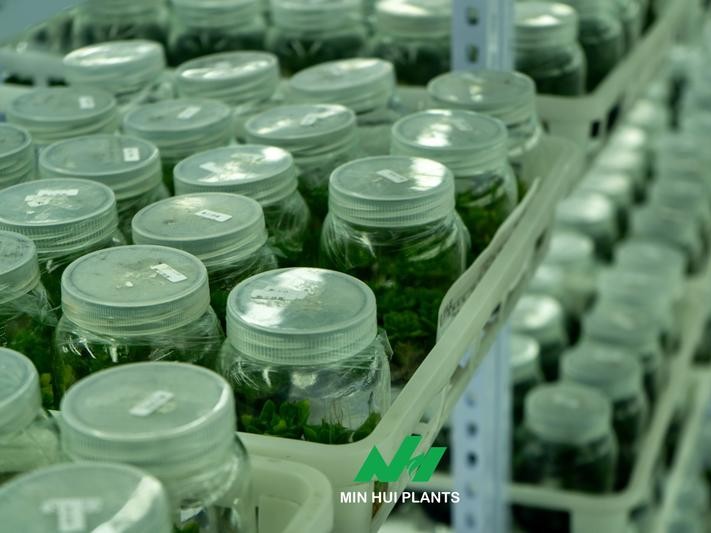
Retail presentation is another important consideration. Customers are more likely to trust products that appear consistent and professionally produced. Uniformity helps create a stronger visual impression in stores and online catalogs.
Landscape projects also depend heavily on consistency. Hotels, office buildings, shopping centers, and public spaces often require hundreds or even thousands of plants with matching appearance. Variations in size or structure can affect the overall design outcome.
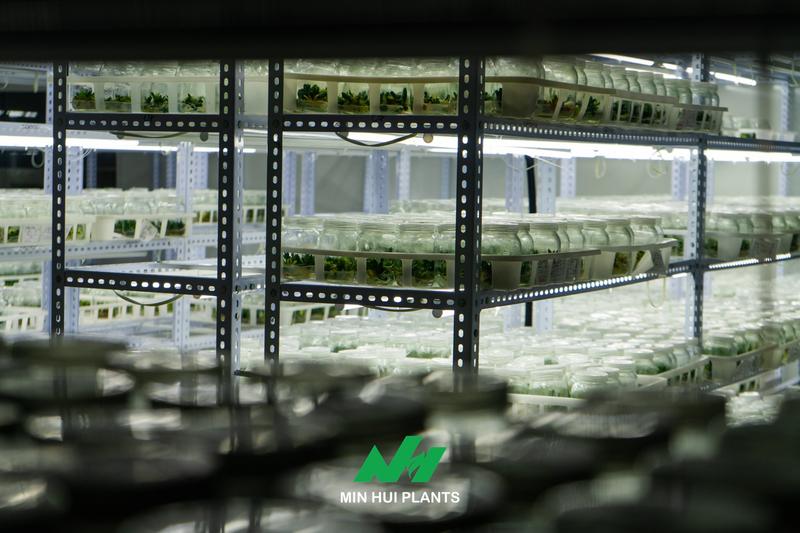
Achieving high levels of uniformity requires more than careful cultivation. Propagation methods, environmental management, and quality control systems all contribute to the final result. Tissue culture, greenhouse monitoring, and grading procedures help maintain consistency throughout production.
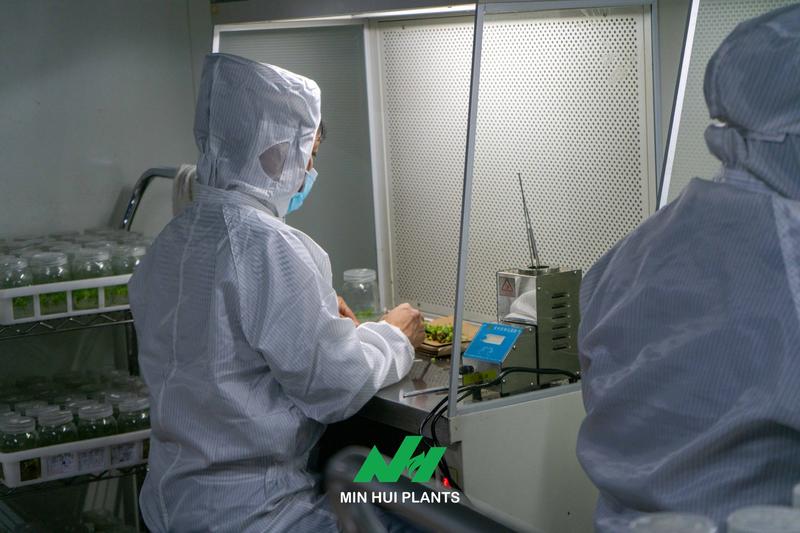
At MINHui, plant uniformity is considered an essential production objective. Through standardized propagation and cultivation processes, the company works to provide plants that meet the expectations of professional buyers across different markets.
As the global horticulture industry continues to grow, consistency is becoming a competitive advantage rather than simply a quality benchmark.