
Contamination Is Not Just a Laboratory Problem: Why Source Tracking Matters More Than Removing Infected Cultures
 599
599In plant tissue culture, contamination is easy to detect but difficult to explain.
Cloudy media, fungal growth, discoloration, or declining plantlets clearly show that something has failed. The affected vessel can be removed, but a more important question remains:
Is this an isolated contaminated vessel, or a sign of a wider process failure?
This distinction determines whether contamination remains a limited loss or becomes a repeated problem across multiple batches.
Many laboratories evaluate contamination through a final percentage. This number is useful, but incomplete. Two batches with the same contamination rate may represent very different risks.
One may contain several damaged vessels. Another may show contamination across different operators, workstations, inoculation dates, or mother plant sources. The first may be local. The second may reveal a weakness in the production system.
This leads to a central principle:
The commercial impact of contamination depends not only on how much material is lost, but also on whether the cause can be traced.
A small amount of unexplained contamination may be more dangerous than a larger loss with a known cause. When the source remains unknown, the same failure can continue through later production cycles.
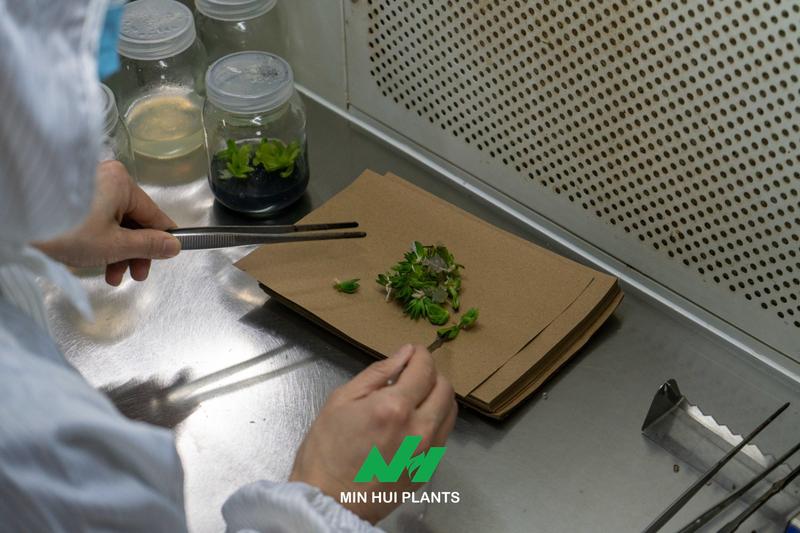
Contamination may originate from:
- microorganisms within the original plant material;
- incomplete surface sterilization;
- contaminated tools, media, water, or containers;
- damaged vessel seals;
- operator technique;
- environmental weaknesses;
- cross-contamination during subculture.
Each source requires a different response.
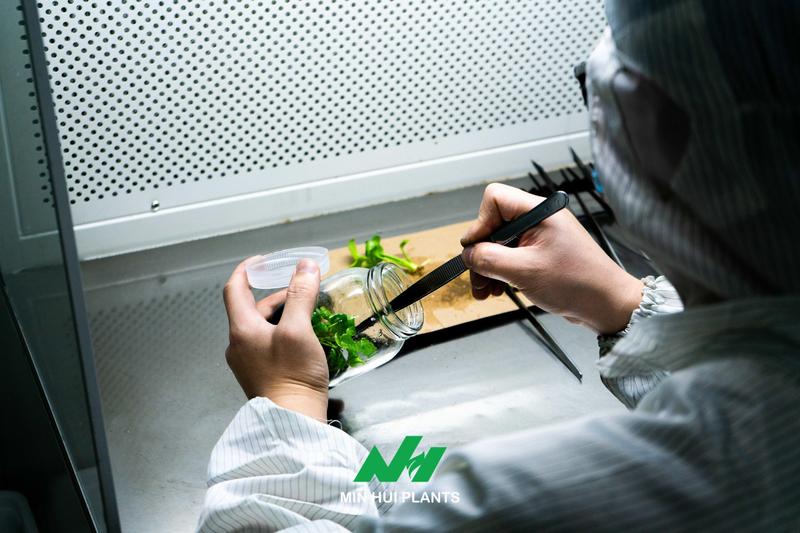
Contamination appearing shortly after inoculation may indicate that microorganisms survived on or inside the explant. Problems appearing after several clean subculture cycles may point to handling, equipment, vessel sealing, or hidden internal microorganisms.
The timing of contamination is therefore valuable evidence.
Its appearance, location, spread rate, and relationship to nearby cultures can help identify the source. This is why contamination control depends on batch records.
Without inoculation dates, operator records, media batch numbers, mother plant information, and workstation tracking, contamination becomes an anonymous loss. The laboratory knows that material was discarded but cannot determine why.
When traceability is weak, laboratories often increase general sterilization. Chemical concentrations are raised, sterilization times are extended, or cleaning becomes more aggressive.
These actions may reduce visible contamination but also damage sensitive plant material. Stronger treatment can reduce regeneration, slow growth, or injure explants.
The goal is not to use the harshest possible treatment.
The goal is to control the actual source of risk without unnecessarily reducing plant performance.
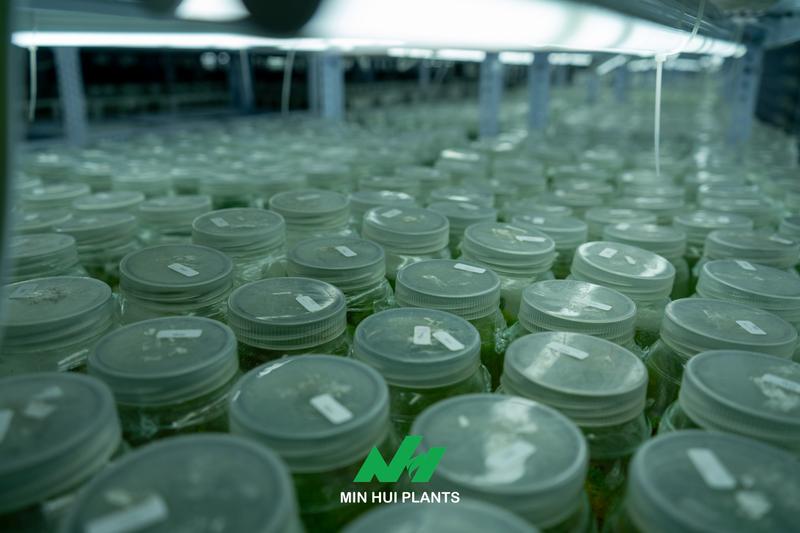
At MINHui, contamination is treated as both a biological issue and a production-management issue. The laboratory must consider the contamination type, its timing, plant variety, mother plant source, operator, equipment, media batch, and production period.
Only when these factors are examined together can the laboratory move from removing contamination to preventing it.
Another important issue is hidden contamination.
Some cultures may appear clean during the early stages but develop problems after several rounds of multiplication. Once contaminated material enters later production stages, the loss becomes much larger.
A contaminated explant discovered early may affect one vessel. After several multiplication cycles, the same material may occupy hundreds of vessels and consume substantial media, labor, energy, and laboratory space.
This creates another principle:
Contamination becomes more expensive with every production stage it passes.
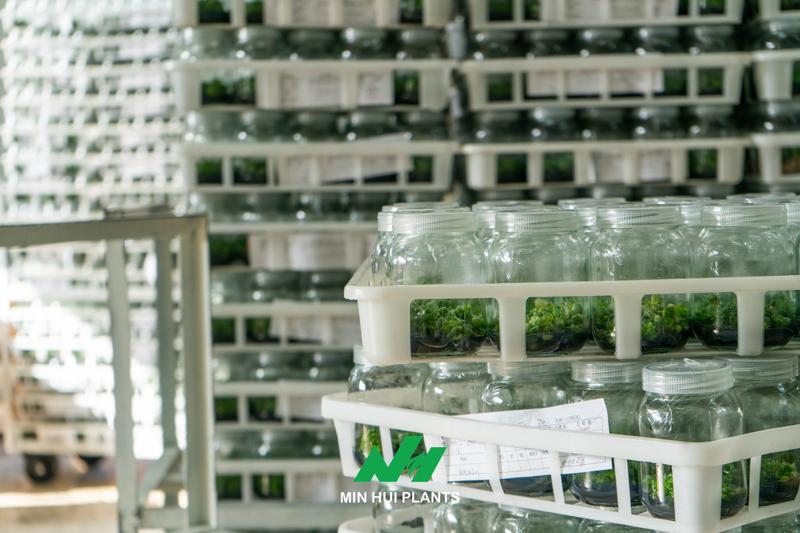
Early detection protects production resources. However, excessive rejection also creates risk. Some plants naturally cause media discoloration, tissue browning, phenolic release, or temporary abnormalities that can resemble contamination.
Professional management must separate normal plant responses from genuine microbial activity.
This is especially important for rare or difficult varieties. A protocol developed for one tropical foliage plant may not be suitable for Agave, Haworthia, succulents, or woody plants.
Strong hygiene without plant knowledge may lead to unnecessary rejection. Strong plant knowledge without process control may allow contamination to spread.
Reliable production requires both.
At MINHui, suspicious cultures are isolated and compared with related batch records before returning to normal multiplication.
The purpose of isolation is to create time for evidence.
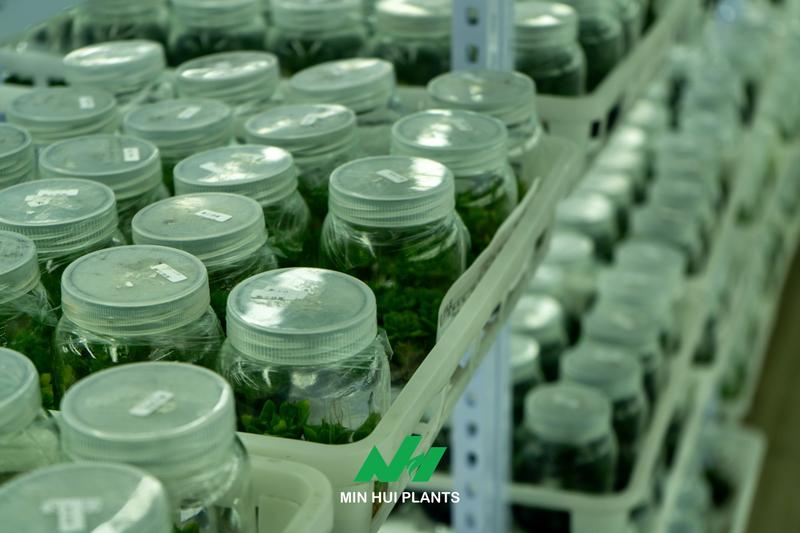
A single contaminated vessel may not justify rejecting an entire variety. Repeated contamination across related cultures, however, may require reviewing the mother plant, adjusting pretreatment, or rebuilding the sterile culture system.
Sometimes the correct response is not to increase multiplication.
It is to stop multiplication until the source becomes clearer.
This may reduce short-term output, but continuing to multiply uncertain material can turn a technical problem into a commercial risk.
A laboratory may report thousands of plantlets in production, while part of that inventory remains biologically uncertain. If those numbers are used to promise delivery, contamination becomes a supply-chain problem rather than an internal laboratory issue.
No responsible producer can promise that contamination will never occur. Plants are living biological materials, and some uncertainty will always remain.
The professional standard is not zero contamination at any cost.
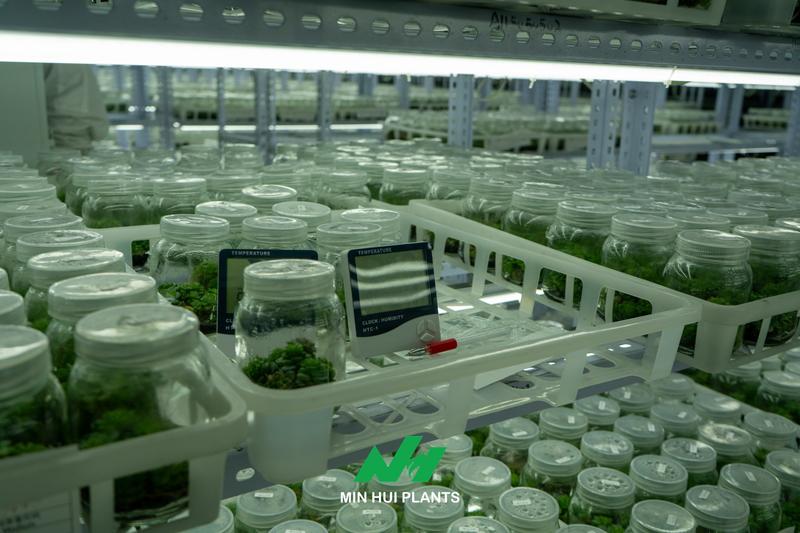
The professional standard is whether contamination can be detected early, isolated correctly, traced systematically, and prevented from becoming a repeated pattern.
For MINHui, contamination control is not simply about keeping culture vessels visually clean. It is about protecting the reliability of future production.
Removing contamination restores appearance.
Understanding contamination restores control.