
Why Rare Tropical Plants Are Driving a New Wave of Demand in the Global Plant Market
 1662
1662The global indoor plant industry is evolving beyond traditional greenery. Consumers are increasingly searching for plants that offer individuality, visual texture, and a sense of rarity. This shift has accelerated demand for rare tropical foliage plants, turning niche species into commercially valuable products.
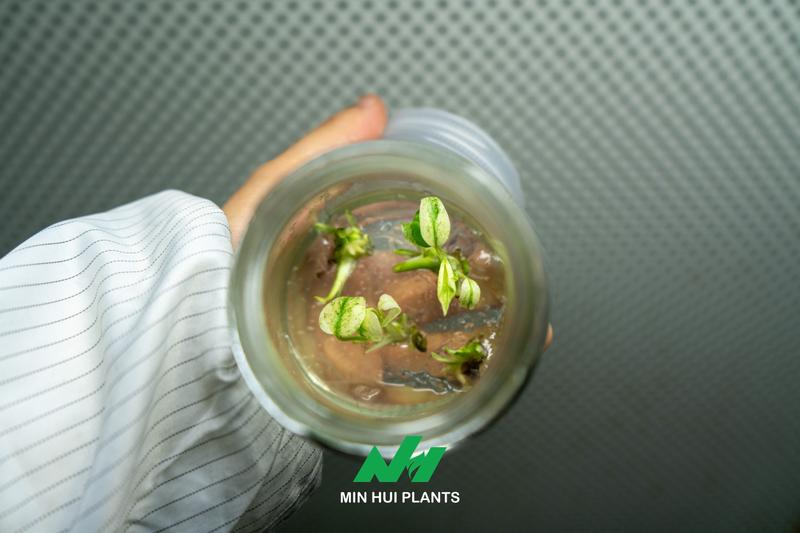
Plants such as variegated Monstera, rare Philodendron hybrids, Alocasia cultivars, and unusual Anthurium species are becoming highly sought after in both collector communities and premium retail channels. Their appeal comes not only from rarity, but also from the sculptural and artistic qualities they bring into indoor spaces.
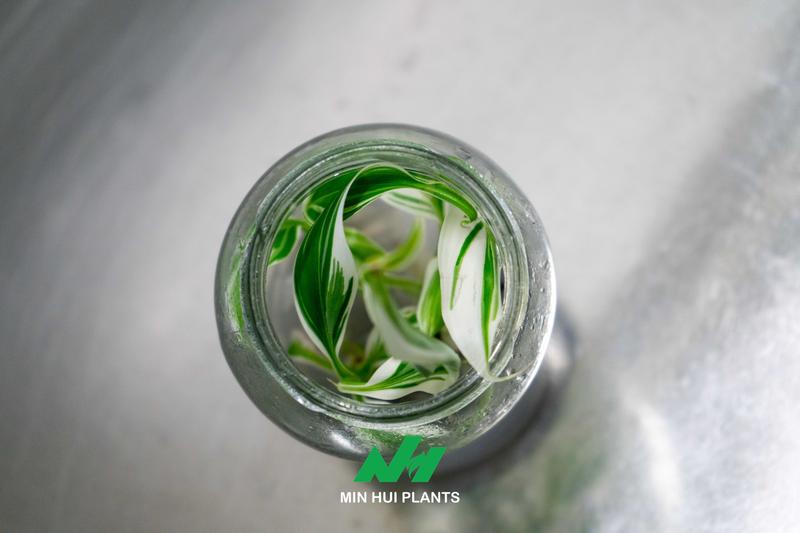
One reason for this trend is the growing influence of social media and visual lifestyle platforms. Rare plants photograph well, create strong visual identity, and encourage repeat engagement among plant enthusiasts. This visibility has transformed many uncommon species into international market trends within short periods of time.
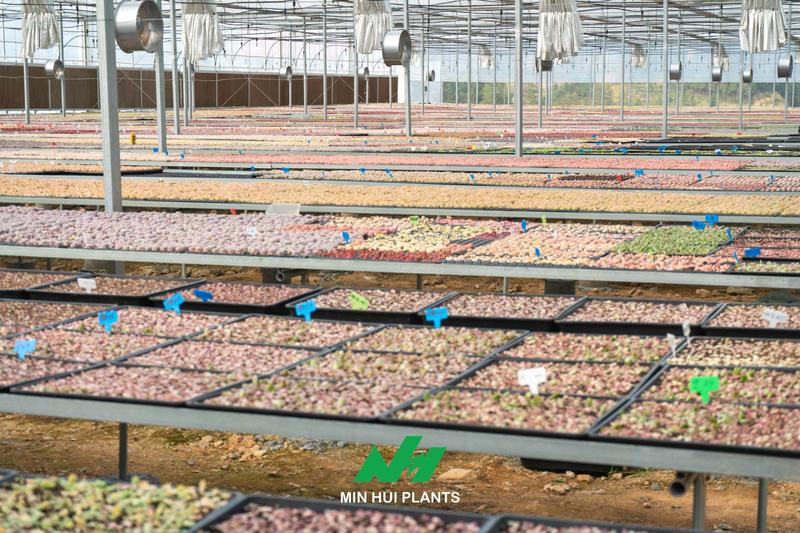
However, rare plants also introduce supply challenges. Traditional propagation methods are often too slow to meet sudden market demand. As a result, professional suppliers increasingly rely on tissue culture propagation to stabilize production while maintaining genetic consistency.
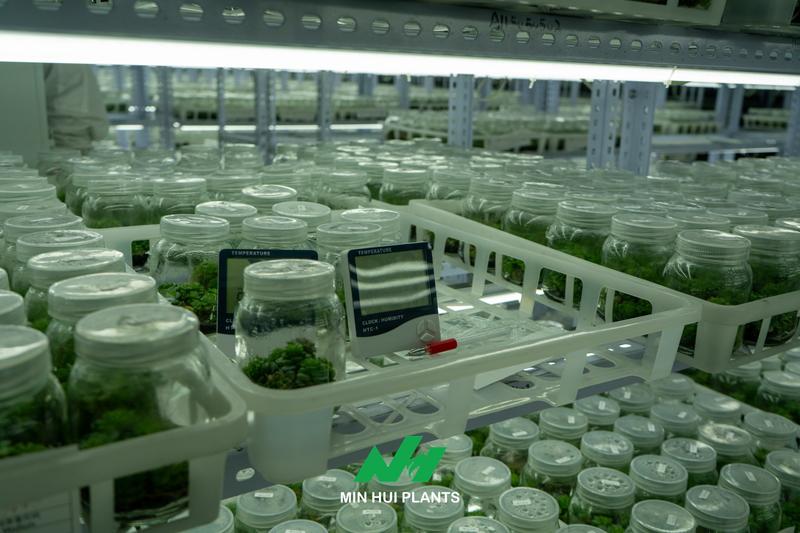
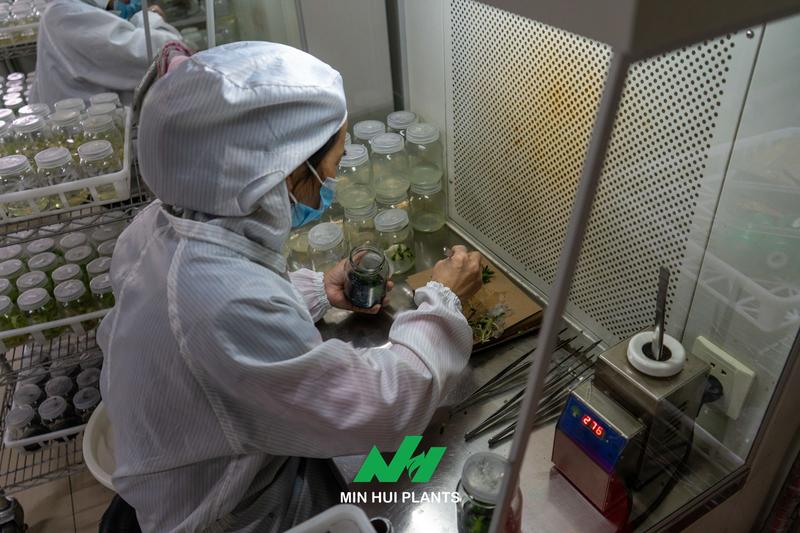
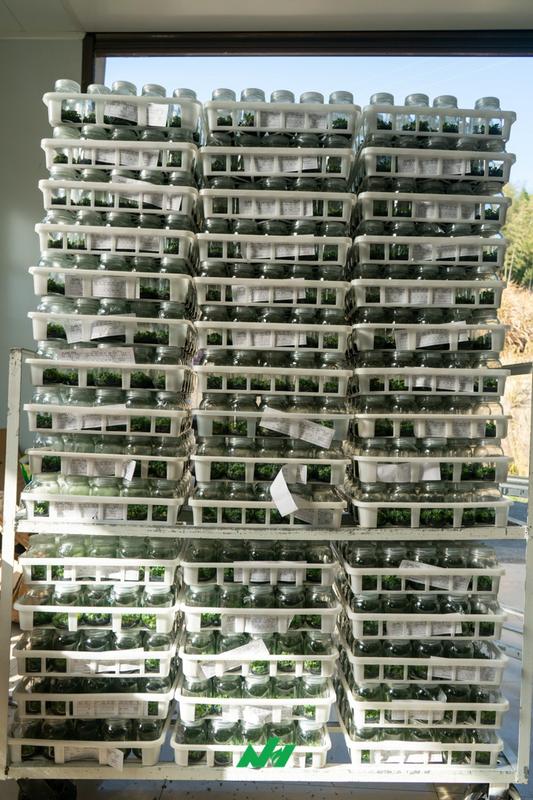
At MINHui, tissue culture laboratories are used to scale propagation for selected tropical species while reducing disease risks and improving production predictability. This allows rare plants to transition from limited collector items into commercially available products suitable for wholesalers and distributors.
Another important factor is changing interior design preferences. Modern consumers increasingly favor plants with dramatic foliage, unusual coloration, and architectural growth forms. Rare tropical plants fit naturally into minimalist, modern, and boutique-style interiors, making them attractive not only to collectors but also to designers and lifestyle brands.
For international buyers, rare tropical plants can also provide stronger profit margins compared to conventional greenery. Limited availability and premium positioning often support higher retail pricing, especially in specialized plant markets.
Despite growing popularity, buyers must still balance rarity with production stability. Sustainable sourcing, acclimation quality, and reliable logistics remain essential for long-term market success. Suppliers capable of combining propagation technology with stable export systems are more likely to succeed in this rapidly expanding segment.
As interest in indoor greenery continues to evolve, rare tropical plants are expected to remain one of the most dynamic categories in the global horticulture industry.